
ANIMAL PRODUCTS
ANIMAL PRODUCTS
Animal Products plays an important role in the socio- economic life of India. It is a rich source of high quality of animal products such as milk, meat and eggs. India has emerged as the largest producer of milk with 21.24 percent share in total milk production in the world. India accounts for about 6.5 percent of the global egg production and also the largest population of milch animals in the world, with 109.85 million buffaloes, 148.88 million goats, and 74.26 million sheep. Exports of animal products represent a significant contribution to the Indian Agriculture sector. The export of Animal Products includes Buffalo meat, Sheep/ Goat meat, Poultry products, Animal Casings, Milk and Milk products and Honey etc.
Marine Products
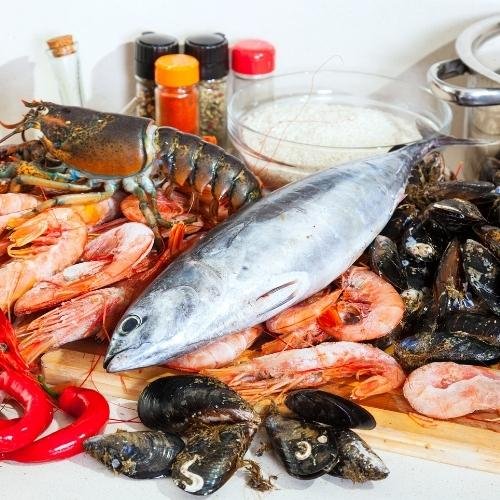
Anagha Global is a prominent trader, exporter, supplier and sourcing & linking service provider of Marine Products. We have a large network and then store them in a cool and hygienic place. We mainly deal in fresh fish, Dry fish and other marine products.
Animal Products
Meats & Eggs
BUFFALLO
SHEEP & GOAT
OTHER MEAT
Eggs
BUFFALLO
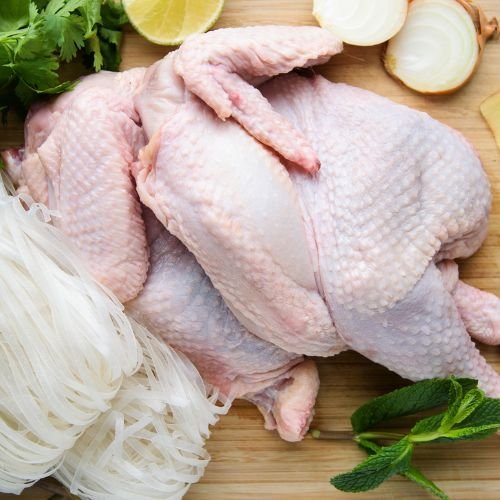
India is having largest livestock population including Buffaloes, Sheep & Goats, Pigs and Poultry, which are generally used for production of meat products. India has about 3600 slaughter houses, there are live modern abattoirs and one integrated abattoir meat processing plant for slaughtering buffaloes for exports and domestic consumption.
Carcasses Of Bovine Animals(Fresh)
Meat Of Bovine Animals With Bone (Fresh)
Boneless Meat Of Bovine Animals (Fresh)
Carcasses Of Bovine Animals (Frozen)
Meat Of Bovine Animals With Bon (Frozen)
Boneless Meat Of Bovine Animals (Frozen)
SHEEP & GOAT
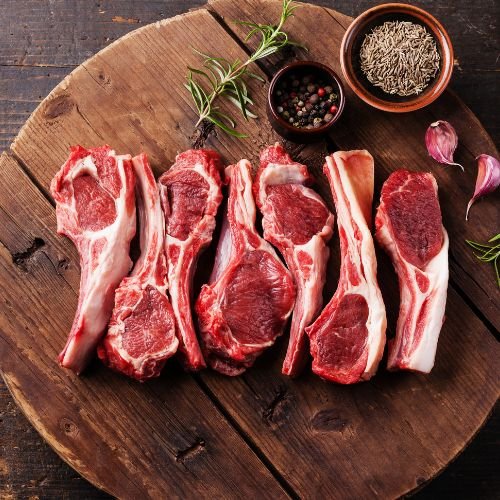
Goats – Sheep constitute a very important species of livestock in India, mainly on account of their short generation intervals, higher rates of prolificacy, and the ease with which the goats as also their products can be marketed. They are considered to be very important for their contribution to the development of rural zones and people. The local initiatives to promote quality labels and innovative products for cheeses, meat and fibers could help goats in keeping a role for sustainable development in an eco-friendly environment all over the world.
Carcasses Of Lamb (Fresh)
Carcasses Of Sheep (Fresh)
Meat Of Sheep With Bone (Fresh)
Boneless Meat Of Sheep (Fresh)
Carcasses Of Lamb (Frozen)
Carcasses Of Sheep (Frozen)
OTHER MEAT
Other Meat constitutes a very important species of livestock in India. They are considered to be very important for their contribution to the development of rural zones and people. The local initiatives to promote quality labels and innovative products for cheeses, meat and fibers could help Swine/Pigs, Rabbits, Horse, Camel, Primates etc in keeping a role for sustainable development in an eco-friendly environment all over the world.
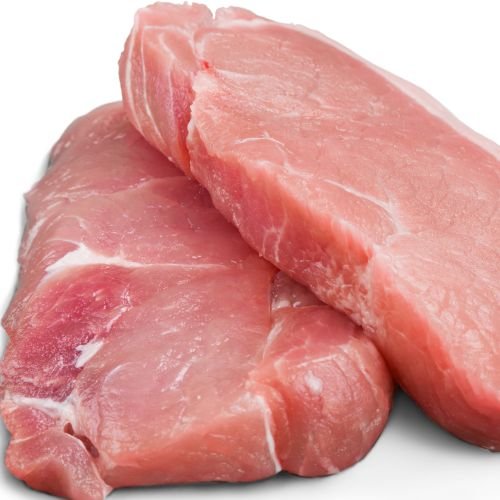
Carcasses, Hams, Shoulders & Cuts Thereof Of Swine/pig (Fresh & Frozen)
Meat Of Swine/pig With Bone and Boneless (Fresh & Frozen)
Meat Of Horses, Asses (Fresh & Frozen)
Eggs
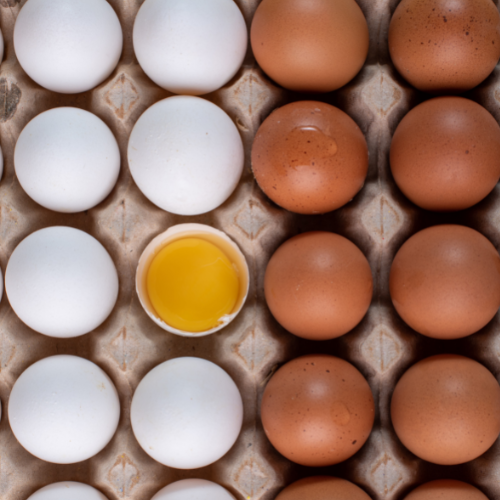
As mother nature’s original superfood – eggs have been part of our diets since the dawning of time. Yet only now are we learning the full extent of the nutritional wonders they pack, and how beneficial they are in promoting lasting health benefits. Loaded with 13 essential vitamins and minerals, eggs also provide key sources of these important nutrients that are needed as part of a healthy diet to help you be your best, every day.
Eggs are widely considered to be a valuable source of quality protein. Proteins are the building blocks of life, essential for the strength and repair of muscle and tissue – with one single egg containing about 6.3 grams of protein.
The powerful advantage of the protein in eggs links to the fact that eggs contain all nine essential amino acids – in sufficient amounts – to support effective muscle growth, recovery and maintenance.
Dairy Products
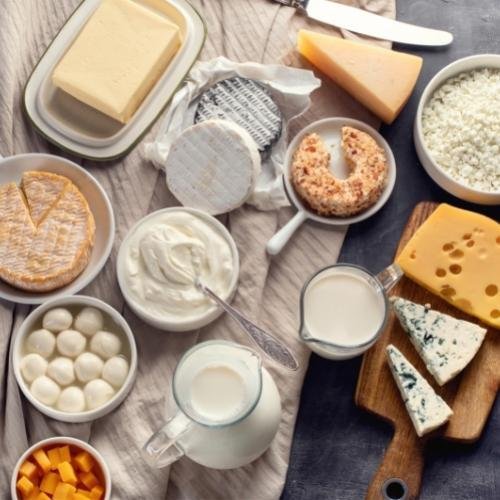
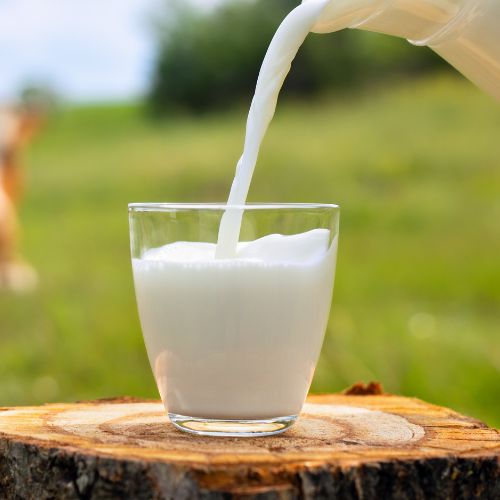
Milk
Milk Products
Other Type of Milk
Buttermilk
Curd
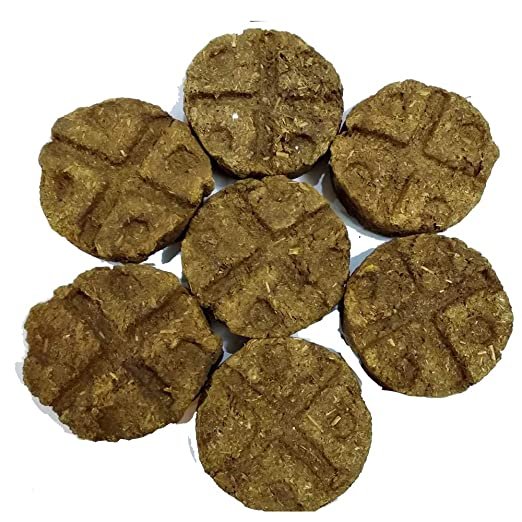
Desi Cow Dung Cake
Milk
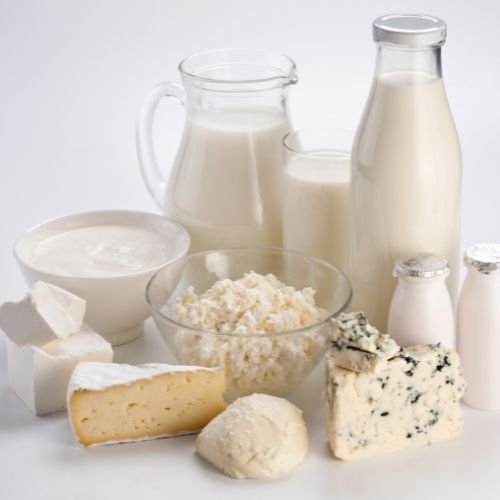
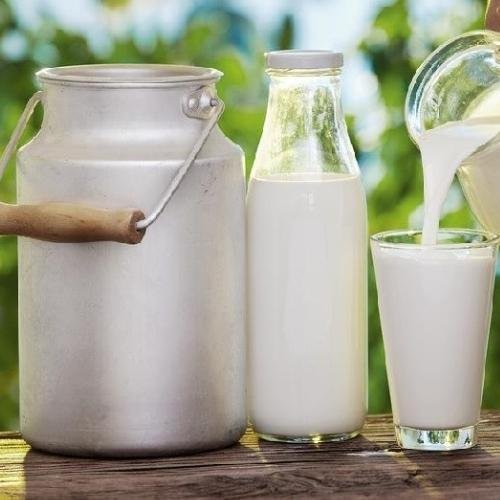
India is having largest livestock population including Buffaloes, Sheep & Goats, Pigs and Poultry, which are generally used for production of meat products. India has about 3600 slaughter houses, there are live modern abattoirs and one integrated abattoir meat processing plant for slaughtering buffaloes for exports and domestic consumption.
Carcasses Of Bovine Animals(Fresh)
Meat Of Bovine Animals With Bone (Fresh)
Boneless Meat Of Bovine Animals (Fresh)
Carcasses Of Bovine Animals (Frozen)
Meat Of Bovine Animals With Bon (Frozen)
Boneless Meat Of Bovine Animals (Frozen)
Milk Products
Goats – Sheep constitute a very important species of livestock in India, mainly on account of their short generation intervals, higher rates of prolificacy, and the ease with which the goats as also their products can be marketed. They are considered to be very important for their contribution to the development of rural zones and people. The local initiatives to promote quality labels and innovative products for cheeses, meat and fibers could help goats in keeping a role for sustainable development in an eco-friendly environment all over the world.
Carcasses Of Lamb (Fresh)
Carcasses Of Sheep (Fresh)
Meat Of Sheep With Bone (Fresh)
Boneless Meat Of Sheep (Fresh)
Carcasses Of Lamb (Frozen)
Carcasses Of Sheep (Frozen)
Other Type of Milk
Other Meat constitutes a very important species of livestock in India. They are considered to be very important for their contribution to the development of rural zones and people. The local initiatives to promote quality labels and innovative products for cheeses, meat and fibers could help Swine/Pigs, Rabbits, Horse, Camel, Primates etc in keeping a role for sustainable development in an eco-friendly environment all over the world.
Carcasses, Hams, Shoulders & Cuts Thereof Of Swine/pig (Fresh & Frozen)
Meat Of Swine/pig With Bone and Boneless (Fresh & Frozen)
Meat Of Horses, Asses (Fresh & Frozen)
Buttermilk
As mother nature’s original superfood – eggs have been part of our diets since the dawning of time. Yet only now are we learning the full extent of the nutritional wonders they pack, and how beneficial they are in promoting lasting health benefits. Loaded with 13 essential vitamins and minerals, eggs also provide key sources of these important nutrients that are needed as part of a healthy diet to help you be your best, every day.
Eggs are widely considered to be a valuable source of quality protein. Proteins are the building blocks of life, essential for the strength and repair of muscle and tissue – with one single egg containing about 6.3 grams of protein.
The powerful advantage of the protein in eggs links to the fact that eggs contain all nine essential amino acids – in sufficient amounts – to support effective muscle growth, recovery and maintenance.
Curd
Tab Content
Desi Cow Dung Cake
Tab Content
Other Products
Honey
CASEINS
ALBUMIN
Honey
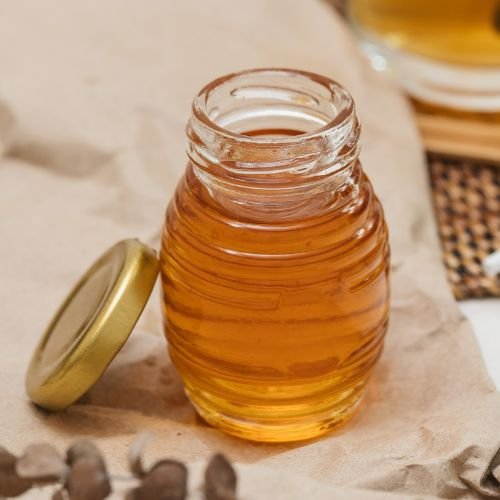
Honey and beekeeping have a long history in India. Honey was the first sweet food tasted by the ancient Indian inhabiting rock shelters and forests. The raw materials for the beekeeping industry are mainly pollen and nectar that come from flowering plants. Both the natural and cultivated vegetation in India constitute an immense potential for development of beekeeping. About 500 flowering plant species, both wild and cultivated, are useful as major or minor sources of nectar and pollen. There are at least four species of true honey bees and three species of the stingless bees.
Rapeseed / Mustard Honey, Eucalyptus Honey, Lychee Honey, Sunflower Honey, Karanj / Pongamea Honey, Multi-flora Himalayan Honey, Acacia Honey, Wild Flora Honey, Multi and Mono floral Honey are some of the major varieties of Natural Honey.
CASEINS
Casein is the main protein found in milk and contains 21 amino acids. Acid Casein is produced by controlled acid precipitation from skim milk. It is insoluble in water, completely soluble in alkali and heat stable.
ALBUMIN
The albumins are a family of globular proteins, the most common of which is serum albumin. The albumin family consists of all proteins that are water-soluble, are moderately soluble in concentrated salt solutions, and experience heat denaturation. Albumins are commonly found in blood plasma, and are unique from other blood proteins in that they are not glycosylated. Substances containing albumins, such as egg white, milk are called albuminoids.
Egg albumin
Milk albumin
Marine Products
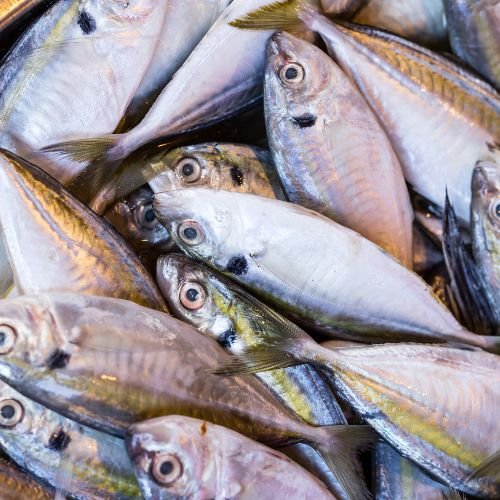
Fresh Fish
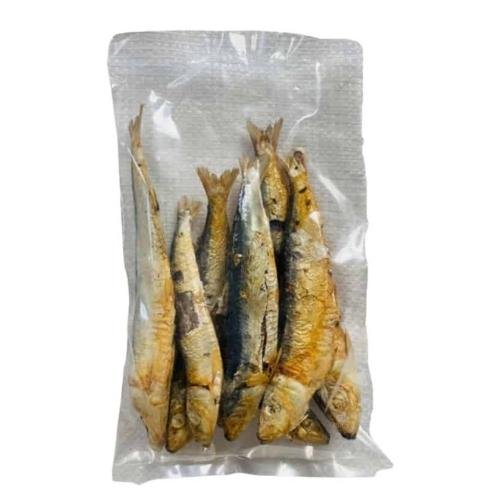
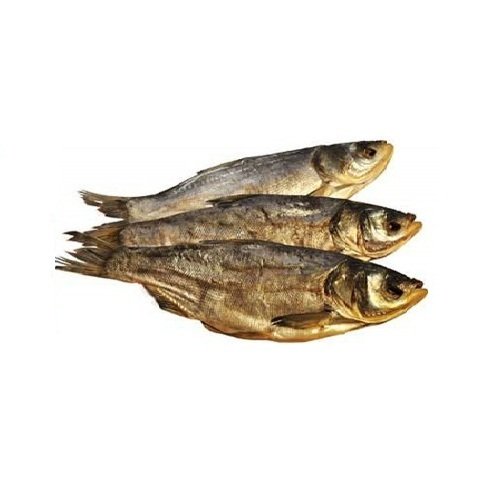
Dry Fish
Other Products
Fresh Fish
Anagha Global has been in the field of sourcing, inspection and trading of fresh and frozen seafood for over a decade. It has been known for its dedicated and reliable supply. We provide a wide range of seafood from the Indian coastal waters. Our association with modern packaging and processing units.
- Mackerel
- Sardines
- Mahi Mahi
- Cracker
- Sward Fish
- Tuna
- Snappers
- Groupers
- Pomfret
- Reed Cord
- king Fish
- Tilapia
- Squid
- Cattle Fish
Dry Fish
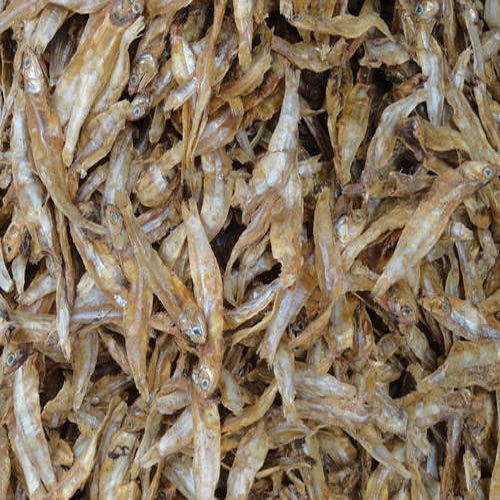
We supplies a wide range of Dry seafood products. With an emphasis on quality, we offer the finest products from the Arabian Sea, Indian Ocean and inland fresh water bodies. We strive to provide our customers with what they desire by providing flexibility in product grades and styles.
- Mackerel
- Sardines
- Mahi Mahi
- Cracker
- Sward Fish
- Tuna
- Snappers
- Groupers
- Pomfret
- Reed Cord
- king Fish
- Tilapia
- Squid
- Cattle Fish
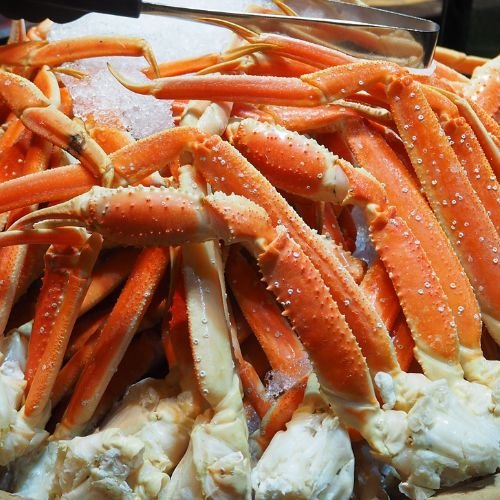
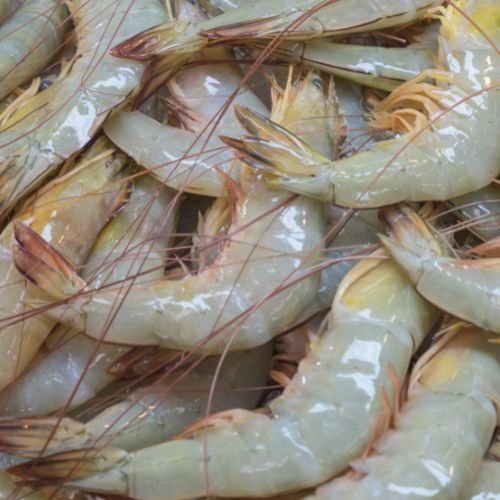
Other Products
Our supply of fresh and chilled products depends on the catch of the day. Please contact us for further details.
- Lobsters
- Shrimp
- Squid
- Cuttlefish
- Octopus
- Crabs
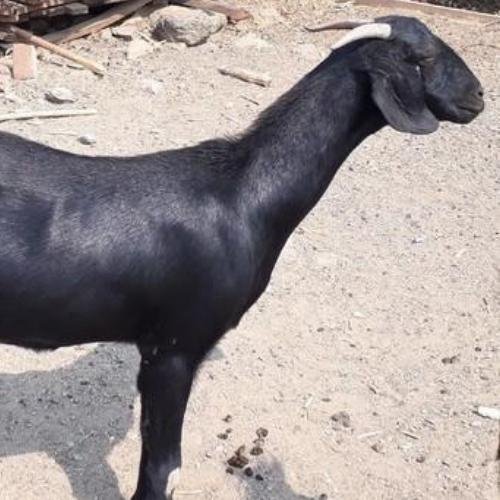
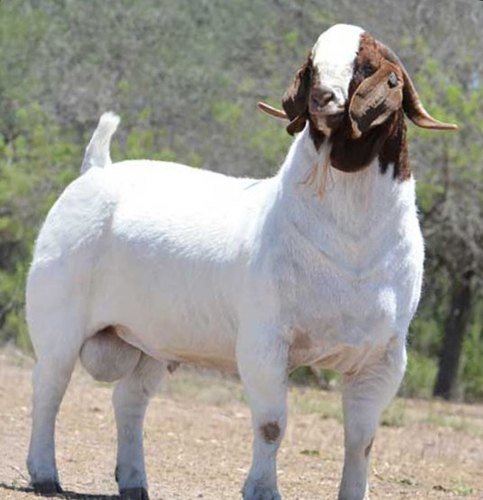
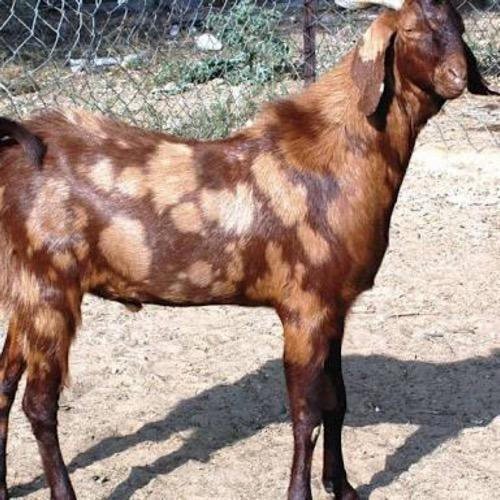
Live Stock (Goat Breed)
Sirohi
Jamunapari
Osmanabadi
Sangamneri
Sirohi
It is distributed in middle India. The flock size varies from place to place and ranges from 10 to 200 goats. Sirohi is very potent breed and many large flocks are seen in central India also which are raised for sale of milk by traditional shepherds community who are in this business over the generations.
| SIZE | BUCKS (Male) | DOES (Female) |
| Body Weight | 49 kg | 23 kg |
| Body Length | 79 cm | 62 cm |
Jamunapari
Jamunapari is a breed of goat originating from Indian subcontinent. Since 1953 they have been imported to Indonesia where they have been a great success. It is bred for both milk and meat. The name is derived from the river Jamna Par in Uttar Pradesh, India.
There is a large variation in color but the typical Jamnapari is white with patches of tan on the neck and head. Their heads tend to have a highly convex nose, which gives them a parrot-like appearance. They have long flat drooping ears which are around 25 cm long. Both sexes have horns. The udder has round, conical teats and is well developed. They also have unusually long legs.
| SIZE | BUCKS (Male) | DOES (Female) |
| Body Weight | 101 kg | 74 kg |
| Body Length | 82 cm | 62 cm |
Osmanabadi
The breed derives it same form its habitat Osmanabad where it is found in most pure form.
The breed is mainly concentrated and found in central part of India It has spread over a wide range of India The breed is considered useful both for meat and milk. Average daily yield varies from 0.5 to 1.5 kg for a lactation length of about 4 months. The dressing percentage varies from 45 to 50. In favorable conditions the does will breed regularly twice a year and twinning is common
| SIZE | BUCKS (Male) | DOES (Female) |
| Body Weight | 35 kg | 33 kg |
| Body Length | 69 cm | 67 cm |
| Chest Girth | 72 cm | 71 cm |
Sangamneri
The breed found in medium size. The breeds have no uniform colour,it varies from white,black and brown colour with spot of other colour.Ears are drooping. Both sex have horns directed backword and upword. The breed is considered useful both for meat and milk. Average daily yield varies from 0.5 to 1.0 kg for a lactation length of about 165 days. The dressing percentage varies from 41 to 46. In favorable conditions the does will breed regularly twice a year and twinning is common
The mortality of pre-weaving is 28.9% and in adult 4.3%.
| SIZE | BUCKS (Male) | DOES (Female) |
| Body Weight | 39 kg | 31 kg |
| Body Length | 68 cm | 65 cm |
| Chest Girth | 66 cm | 68 cm |
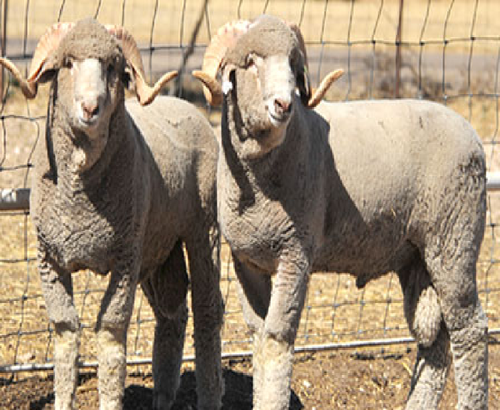
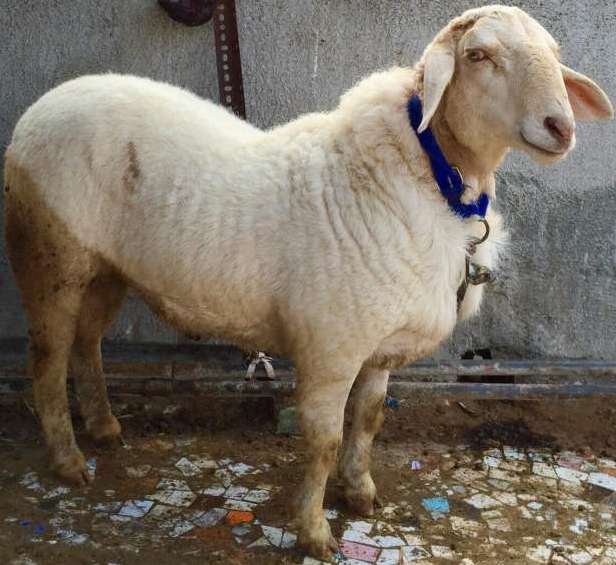
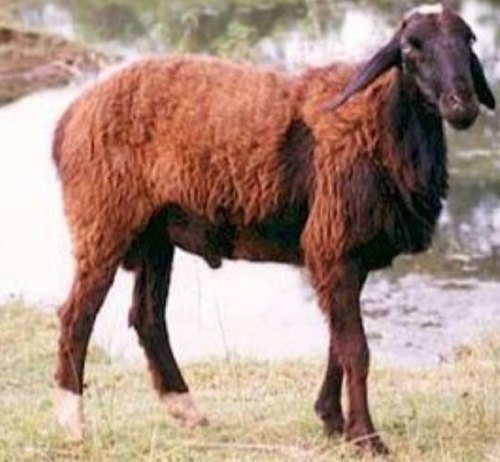
Sheep Breed
Rambouillet
Mandya/Bannur
Deccani
Bellary
Rambouillet
The Rambouillet is also known as the Rambouillet Merino or the French Merino.
The development of the Rambouillet breed started in 1786 when the French government either purchased or Louis XVI received a gift of over three hundred Spanish Merinos (318 ewes, 41 rams, 7 wethers) from Lousi XVI cousin, the King of Spain. The flock was subsequently developed on an experimental royal farm at a place known as Rambouillet, not far from Paris. The flock was cultivated by the government with no sheep being sold for many years.
| SIZE | RAMS (Male) | EVES (Female) |
| Body Weight | 91 kg | 66 kg |
| Body Length | 72 cm | 53 cm |
Mandya/Bannur
Mandya/Bannur Lamb compares with other sheep breeds in economic terms and also places to source infrastructure Bannur sheeps are also called as Bakrid sheeps as they are on high demand during this festival. This breed is distributed in the entire central part
The total sheep population in the Mandya distribution area, according to the 1972 census, was 0.372 m, and according to the 1977 census, 0.329 m; there was thus a slight decline. The actual number of the breed is much smaller, since the census is not based on breed. Information received from the officers of the State Animal Husbandry Department indicates a large movement of Mandya sheep out of the central district district because of an increase in irrigated cultivated area, leaving little land with natural vegetation for sheep grazing. Further, there is a large incidence of cryptorchidism in Mandya, possibly due to selection of animals on the basis of meaty conformation.
| SIZE | RAMS (Male) | EVES (Female) |
| Body Weight | 35 kg | 25 kg |
| Body Length | 63 cm | 58 cm |
| Chest Girth | 79 cm | 66 cm |
Deccani
Deccani breed is spread over the greater part of the central peninsular region, comprising the semi-arid parts of middle India
Medium-sized animals, predominantly black or black with white markings; white and brown/fawn animals are also seen. In a Maharashtra survey, distribution of colour was 54.92% completely black, 21% black with white or brown spots on head and 24% black or white with brown spots. A similar survey in Andhra Pradesh showed 57.18% black, 27.64% white and 15.18% mixed coloured and spotted. Rams are horned but ewes are polled. Ears are medium long, flat and drooping; ear. Tail is short and thin; tail.
| SIZE | RAMS (Male) | EVES (Female) |
| Body Weight | 39 kg | 29 kg |
| Body Length | 87 cm | 67 cm |
| Chest Girth | 97 cm | 71 cm |
Bellary
Not very different from Deccani. Sheep found to the north of the Tungabhadra River are called “Deccani” and those to the south of it, “Bellary”. It covers the major part of south India
Medium-sized animals, with body colour ranging from white through various combinations of white and black to black. Of 186 animals surveyed, 36.55% were completely black, 22.04% black with white spots, 13.98% black with brown spots, and the rest mottled black, white and brown. One third of the males are horned; females are generally polled. Ears are medium long, flat and drooping; ear length: 14.93 ± 0.14 cm (167). Tail is short and thin; tail length: 10.83 ± 0.90 cm (167). Fleece is extremely coarse, hairy and open; belly and legs are devoid of wool.
| SIZE | RAMS (Male) | EVES (Female) |
| Body Weight | 36 kg | 28 kg |
| Body Length | 71 cm | 65 cm |
| Chest Girth | 78 cm | 73 cm |
Animal Products
-
Buffalo Meat
-
Sheep & Goat Meat
-
Other animal Meat
-
eggs
-
Milk
-
Milk Products
-
Other animal Milk
-
Natural Honey
-
Caseins
-
Other Albumin
-
Fresh Fish
-
Dry Fish
-
Other Marine Products
-
Live Stock ( Sheep)
-
Live Stock ( Goat)