
FLORICULTURE & SEEDS
FLORICULTURE
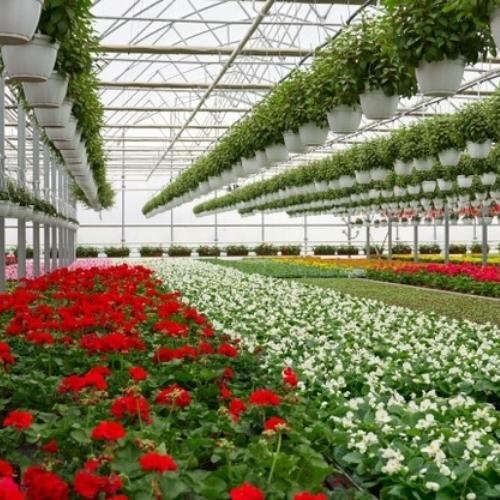
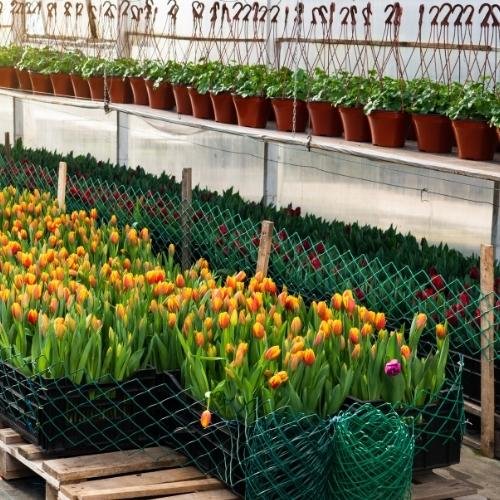
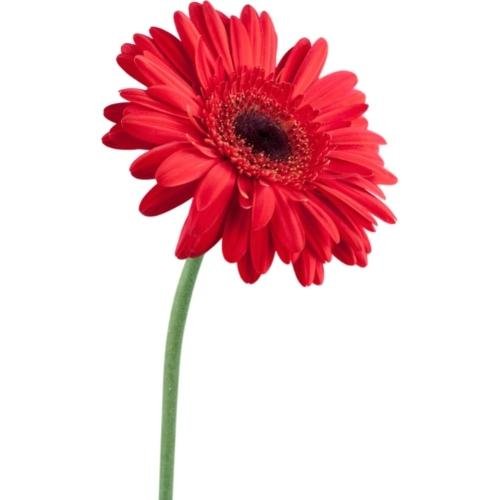
India is bestowed with several agro-climatic zones conducive to producing sensitive and delicate floriculture products. The decade after liberalization, floriculture industries took giant steps in the export arena. This era has seen a dynamic shift from sustenance production to commercial production. As per National Horticulture Database published by National Horticulture Board, during 2020-21the area under floriculture production in India was 249 thousand hectares with a production of 1859 thousand tonnes of loose flowers and 684 thousand tonnes of cut flowers. Floriculture products mainly consist of cut flowers, pot plants, cut foliage, seed bulbs, tubers, rooted cuttings, and dried flowers or leaves. The important floricultural crops in the international cut flower trade are roses, carnations, chrysanthemums, garage, gladiolus, gypsophila, liastris, nerine, orchids, archive, anthurium, tulip, and lilies.

SEEDS
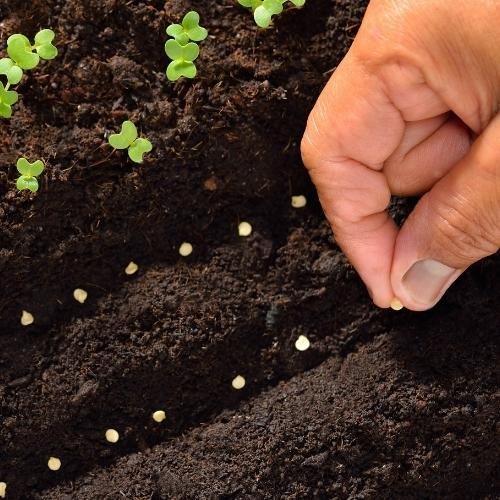
Demand for Indian Vegetable seeds is growing strongly in many of the international markets mostly for Solanacious vegetable crops. Tomato seeds is the highest exported vegetable seed from India.
India’s favorable and diverse Agro Climatic Zones adds to the potential for Production and export of wide range of vegetable seeds. India owing to its established seed production systems, large no. of seed producing companies, pool of trained seed growers can be a great hub for seed export. India exports a wide range of tropical/subtropical vegetable crops seeds to various international markets.
Medicine Plant
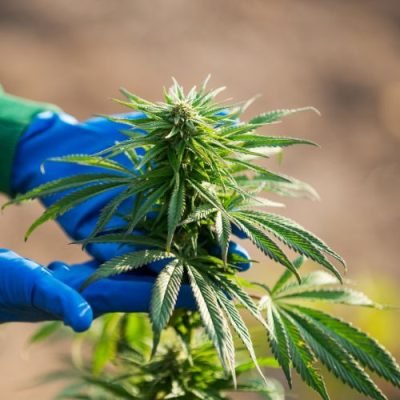
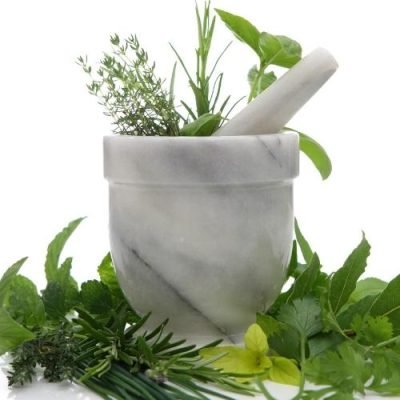
Anagha Global is a privately owned & APEDA-certified supplier of high-quality medicinal herbs. The company also enables us to cultivate several endangered medicinal herbs on our farms which are in various locations & valleys of India therefore Company supplies herbs sustainable to our Domestic and International buyers. we are proud of this cultivation of medicinal herbs because we supply genius, Aromatic, and medicinal botanicals to our buyers.
Indian Herbs Exporter
Ayurveda is a traditional Indian system of medicine. It aims to preserve health and wellness by keeping the mind, body, and spirit in balance and preventing disease rather than treating it.
To do so, it employs a holistic approach that combines diet, exercise, and lifestyle changes
Ayurvedic herbs and spices are also an important component of this approach. They’re thought to protect your body from disease and offer a variety of health benefits, including improved digestion and mental health.
Herbs
Neem
Ashwagandha
Aloe Vera
Sage
Fenugreek Seed
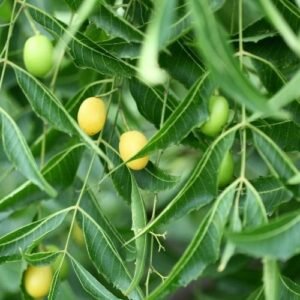
Neem
Neem is a useful leaf of the Neem tree. The barks and seeds of this tree are also used for medicinal purposes. The Neem exporter in India exports a huge amount of neem to different countries in the world. The Neem export from India has been rising steadily for a few years now. This may be because of the several benefits and uses of Neem. This is, therefore, a good opportunity for the Indian Neem exporter to expand his business and enter the international marketplace. The Neem export from India includes the export of various varieties and products of Neem.
Ashwagandha
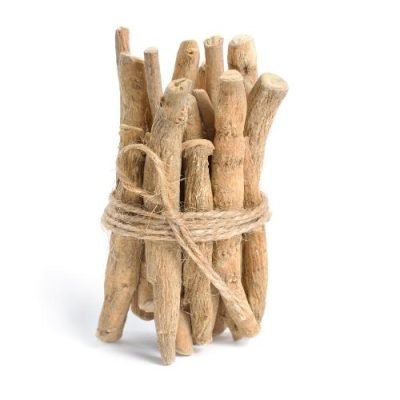
Ashwagandha is also said to be a wonder herb. This is due to the fact that it has several medicinal properties and uses. The Ashwagandha exporter in India exports tones of Ashwagandha abroad every year. The Ashwagandha export from India has been increasing over the years due to the growing popularity of the product. The Indian Ashwagandha exporter thus has a good reputation worldwide due to the premium quality of products exported. The Ashwagandha export from India includes the export of several varieties of Ashwagandha.
Aloe Vera
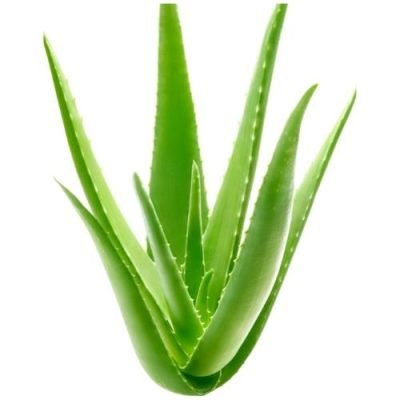
Aloe Vera is a cactus-like plant that grows in hot, dry climates. It is cultivated in subtropical regions around the world, including the southern border areas of Texas, New Mexico, Arizona, and California.
Historically, aloe has been used for skin conditions and was thought to improve baldness and promote wound healing. Aloe is used topically (applied to the skin) and orally. Topical use of aloe is promoted for acne, lichen planus (a very itchy rash on the skin or in the mouth), oral submucous fibrosis, burning mouth syndrome, burns, and radiation-induced skin toxicity. Oral use of aloe is promoted for weight loss, diabetes, hepatitis, and inflammatory bowel disease (a group of conditions caused by gut inflammation that includes Crohn’s disease and ulcerative colitis).
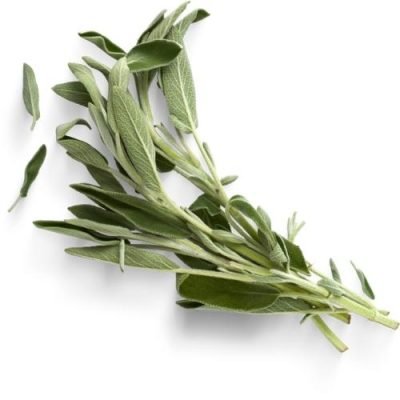
Sage
Sage is a staple herb in various cuisines around the world.
Its other names include common sage, garden sage and Salvia officinalis. It belongs to the mint family, alongside other herbs like oregano, rosemary, basil and thyme. Sage has a strong aroma and earthy flavor, which is why it’s typically used in small amounts. Even so, it’s packed with a variety of important nutrients and compounds.
Sage is also used as a natural cleaning agent, pesticide and ritual object in spiritual sage burning or smudging. This green herb is available fresh, dried or in oil form — and has numerous health benefits.
- Loaded With Antioxidants
- Support Oral Health
- Ease Menopause Symptoms
- Reduce Blood Sugar Level
- Support Memory and brain health
- Lower bad ‘LDL cholesterol
- Protect against certain cancer
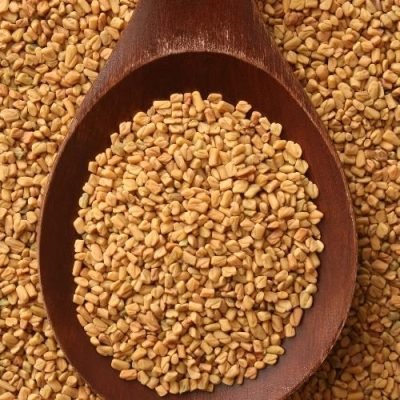
Fenugreek Seed
Fenugreek is an annual plant in the family Fabaceae, with leaves consisting of three small obovate to oblong leaflets. It is cultivated worldwide as a semiarid crop. Its seeds and leaves are common ingredients in dishes from the Indian subcontinent, and have been used as a culinary ingredient since ancient times.
Fenugreek is an herb long used in alternative medicine. It’s a common ingredient in Indian dishes and often taken as a supplement.
This herb may have numerous health benefits.
Herbs
Giloy
Tulasi
Carom
Khus
Betel Leaves
Lemon grass
Giloy
No matter what ails you, chances are there’s an herbal remedy for it. However, what if one herb could treat nearly every condition?
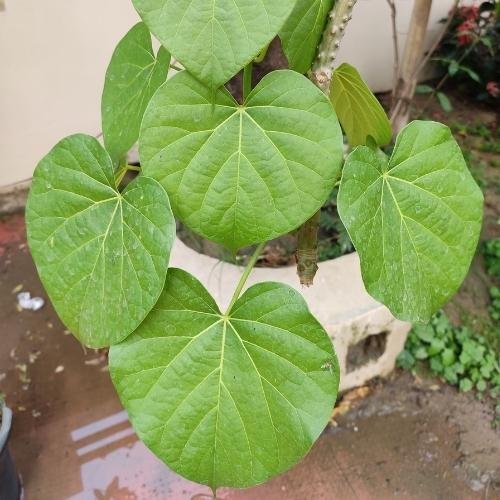
Giloy might be one to consider. It’s a climbing shrub and an essential herb in Ayurvedic medicine. People take it to support general wellness and treat a wide range of conditions, including fever, infections, and diabetes.
Here’s a look at the research behind this herbal supplement and our recommendations about whether it’s worth taking.
Tulasi
Tulsi or Holy basil is a widely known herb in the family Lamiaceae. It is native to India and vastly cultivated throughout Southeast Asia. Tulsi has proved to be highly effective in protecting our body from various infections and diseases of the liver, skin, kidney, etc. It contains powerful oxidants that can help in keeping your blood pressure levels and cholesterol levels under control, making it one of the best heart-healthy It is also good for diabetes as it possesses
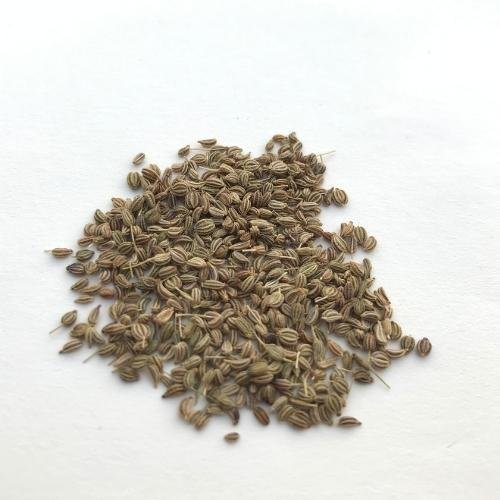
Carom
A spice that every Indian household is all too familiar with and without which every dal tadka is incomplete, ajwain is derived from a herb plant that originated in our very own country. Ajwain seeds vary from being slightly olive green to brown in color. All parts of this herb have a very strong scent hence it is also known as Ugragandha in Sanskrit. The seeds have a bitter and pungent flavor, somewhat like oregano, and because of its strong aromatic essence, it is often added to curries and pickles. It is one of those rare spices that fulfill the twin purpose of adding flavor and being good for health
Khus
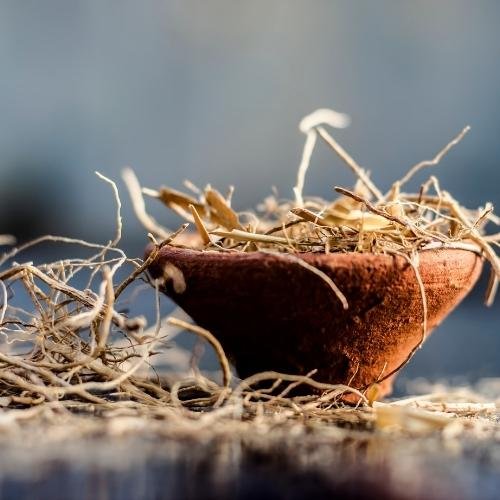
Summers are here in full swing and so is the need to keep ourselves hydrated. With summers come rising temperatures that can cause a toll on your overall health. In order to save yourself from getting dehydrated, it is essential to keep your fluid intake in check. Apart from water, there are various other beverages that can provide immense relief in this scorching heat. One of which is khus sharbat. It is a green-coloured concoction of khus syrup and water, and is prepared using khus essence, sugar, water and citric acid syrup. The green colour comes from khus essence, which is thick syrup made from the roots of khus grass (vetiver grass). Vetiver is an age-old cooling remedy that can help you to battle heat stroke to a significant extent. This heavenly summer cooler not only helps in quenching thirst, but also provides with a lot of health benefits.
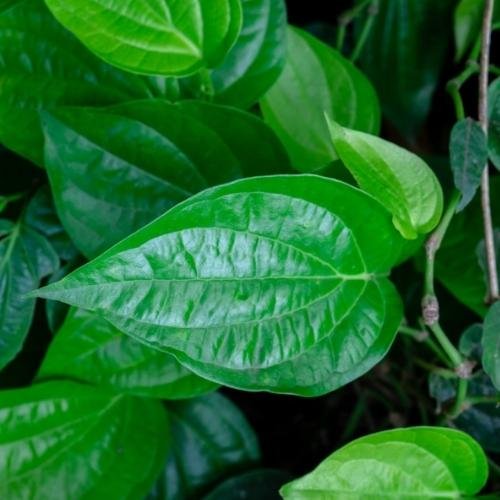
Betel Leaves
The green Betel leaves widely used for eating. Dried leaves and wood ash are applied to the furrows at fortnightly intervals and cow dung slurry is sprinkled. Application of different kinds of leaves at monthly intervals is believed advantageous for the growth of the betel. In three to six months, the vines reach 150 to 180 cm in height, and they will branch. Harvest begins with the farmer plucking the leaf and its petiole with his right thumb. The harvest lasts 15 days to one month. The betel plant has made its way to research labs of many Bangladesh chemical and food nutrition companies.
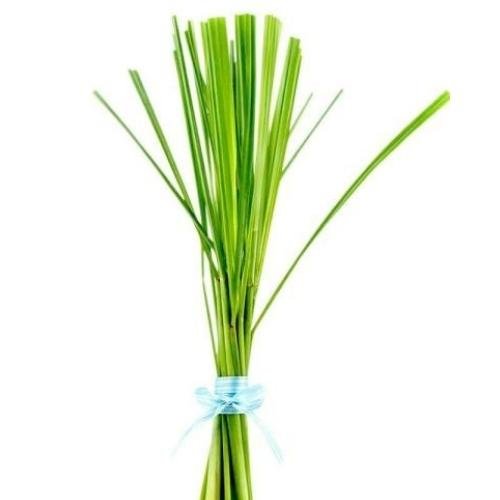
Lemon grass
Lemongrass is a plant. The leaves and the oil are used to make medicine.
Lemongrass is commonly taken orally, applied directly to the skin, or inhaled as aromatherapy for many different conditions. But there is limited scientific research to support any of its common uses.
In food and beverages, lemongrass is used as a flavoring. For example, lemongrass leaves are commonly used as “lemon” flavoring in herbal teas.
In manufacturing, lemongrass is used as a fragrance in deodorants, soaps, and cosmetics. Lemongrass is also used in making vitamin A and natural citral.